Colors have been present around us since the dawn of history, and they have played an important role in human life and development. Here is a brief explanation of the history of colors:
Ancient Times:
Natural colors: In ancient times, humans relied on natural materials to obtain colors, such as clay, plants, and minerals. They used these colors to decorate caves, paint animals, and color their bodies.
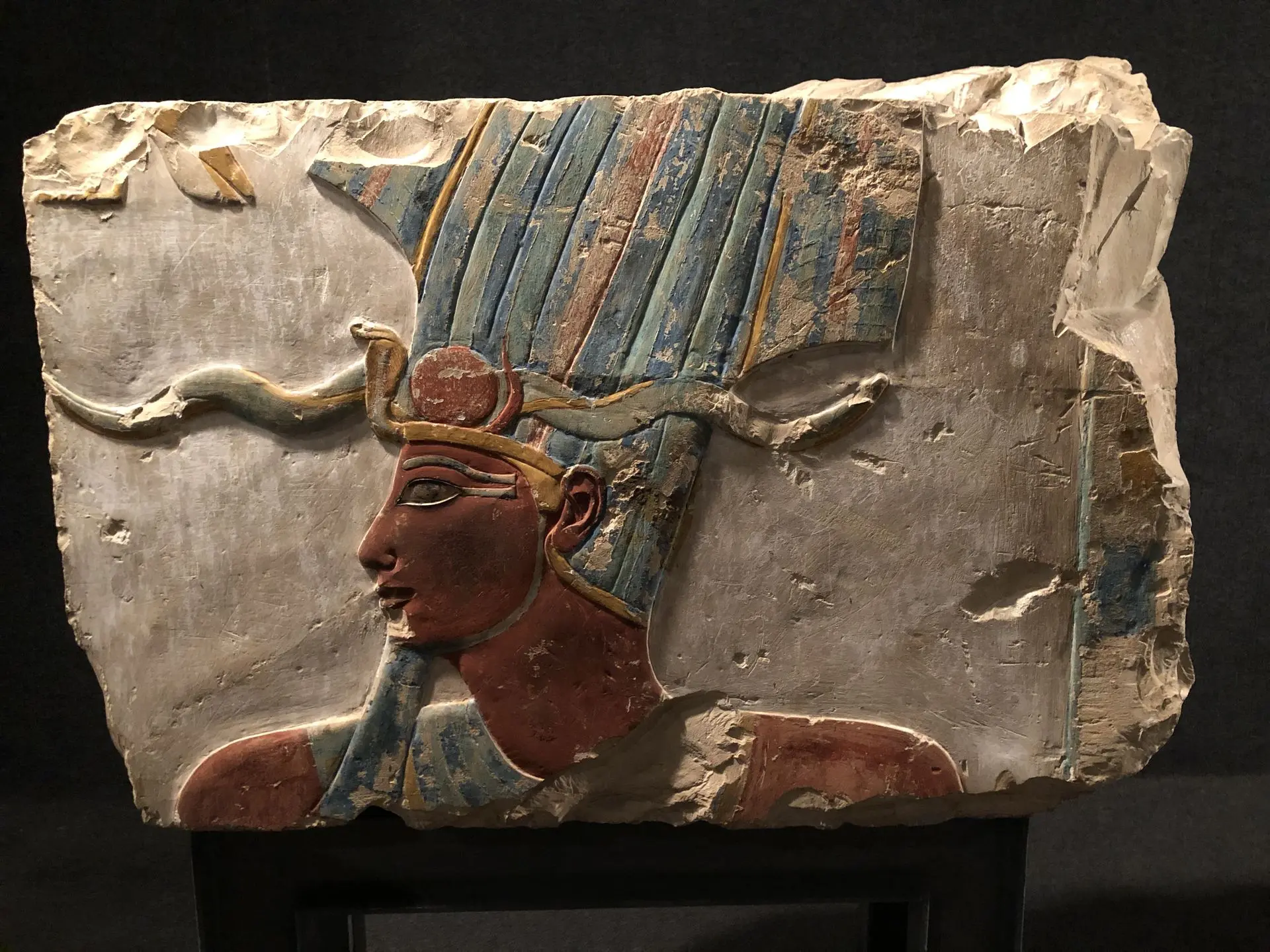
Discovery of Dyes: Over time, humans began to discover and develop techniques for extracting colors from natural resources more effectively. For example, the ancient Egyptians used materials like lapis lazuli to produce blue and limonite to produce yellow.
Colors in Ancient Civilizations: Colors had symbolic and cultural meanings in ancient civilizations. For example, the color red was associated with war and courage, while the color white was associated with purity and peace.
The Middle Ages:
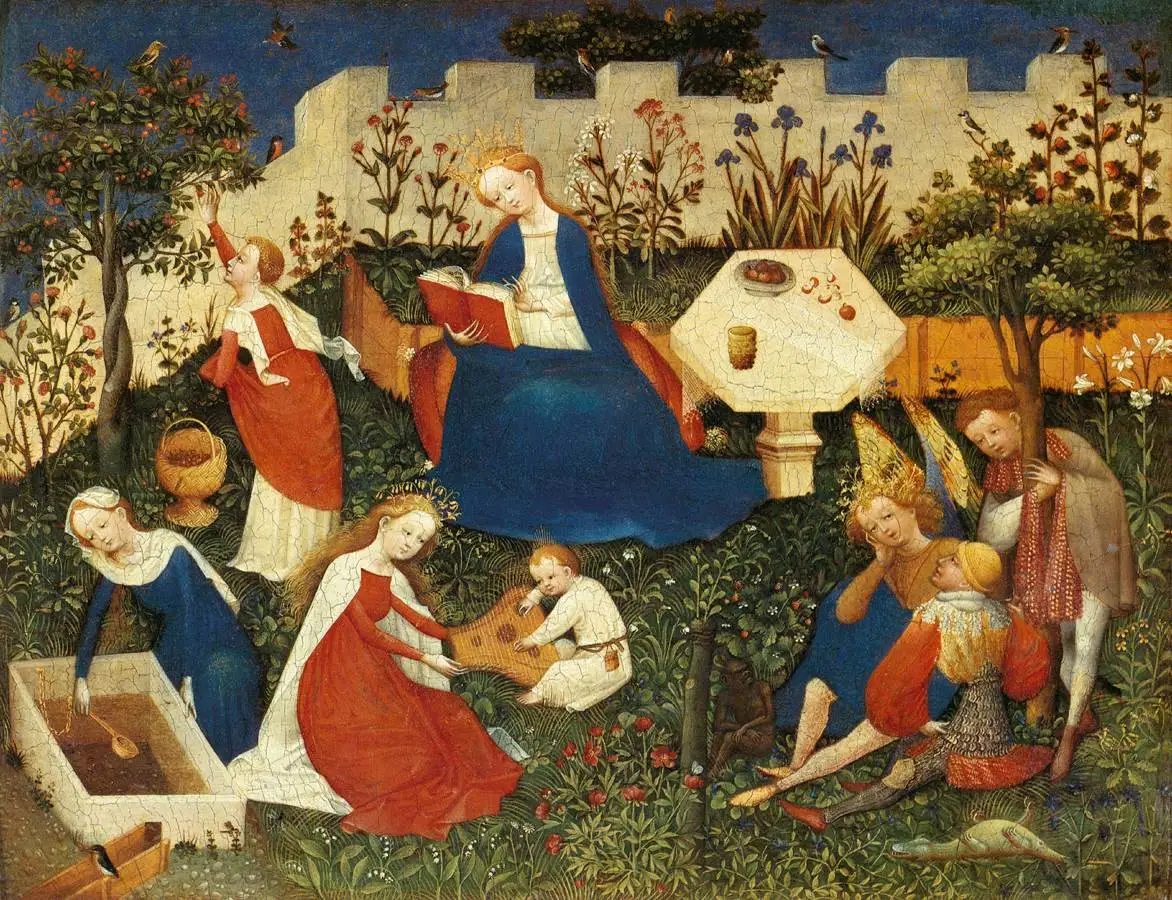
Colors in Art: In the Middle Ages, colors played an important role in art, especially in religious paintings. Artists used bright colors to express religious emotions and to impart a sense of sanctity to the depicted figures.
Colors in Daily Life: People used colors in their daily lives to color clothing, decorate homes, and indicate social status.
Renaissance
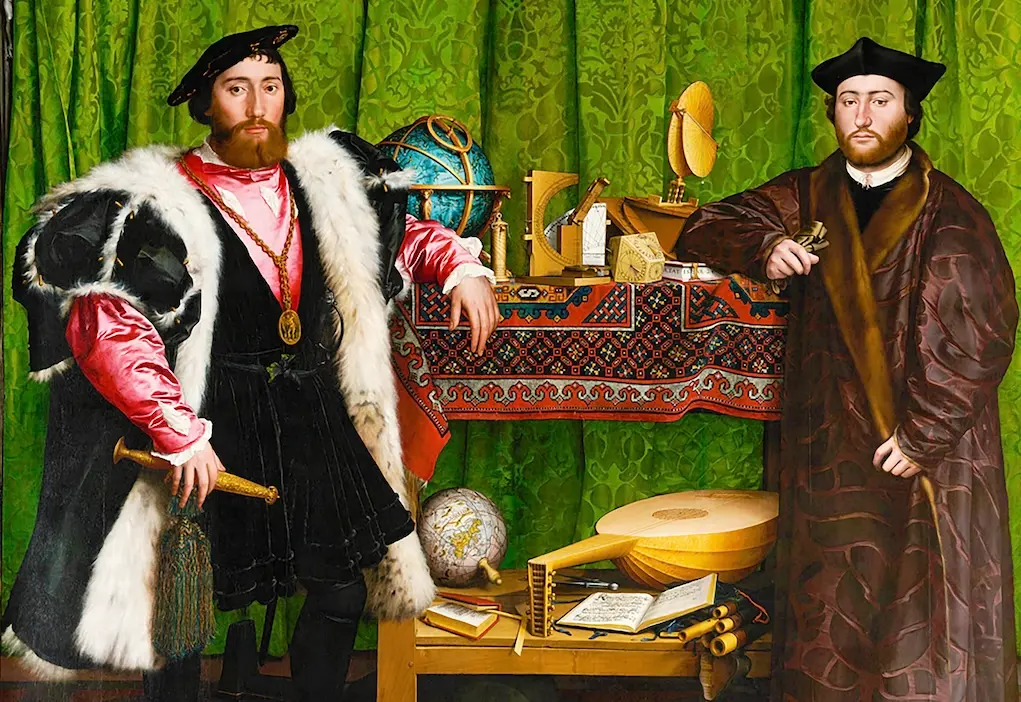
Development of Color Techniques: The Renaissance saw advancements in color production techniques, leading to the emergence of new and more vibrant colors.
Colors in Art: Renaissance artists used colors in a more realistic and expressive way, which added beauty and appeal to their artworks.
Modern Ages:
The Industrial Revolution and Colors: The Industrial Revolution led to the mass production of colors at a lower cost, making them available to everyone.
Colors in Design: Colors have become an important element in graphic design, product design, and advertising, as they are used to influence emotions, attract attention, and enhance branding.
Colors in Psychology: Scientists have begun studying the impact of colors on the human psyche and how they can be used in psychotherapy and marketing.
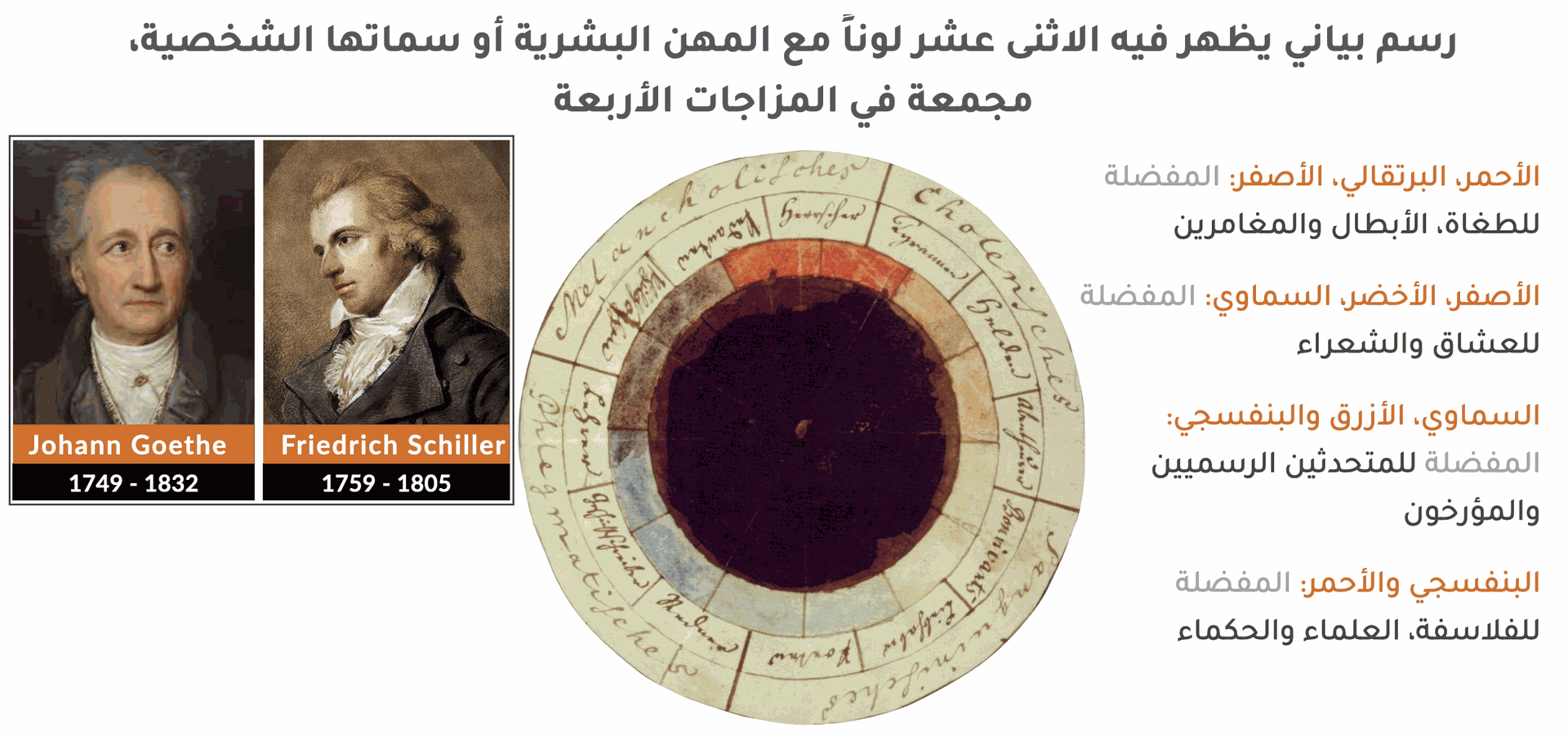
Colors today:
Color diversity: Today, there is a wide range of colors, thanks to advancements in chemistry and technology.
Colors Everywhere: Colors are used everywhere around us, from the clothes we wear to the products we buy, and even the advertisements we see.
Colors in the Future: It is expected that the development of colors will continue in the future, with the emergence of new technologies and the discovery of innovative uses for colors.
Additional Information:
The primary colors are: red, yellow, and blue, and they cannot be created by mixing other colors.

Secondary colors: orange, green, and violet, and are formed by mixing two primary colors.

Complementary colors: These are colors that lie opposite each other on the color wheel, such as red and green, and blue and orange.
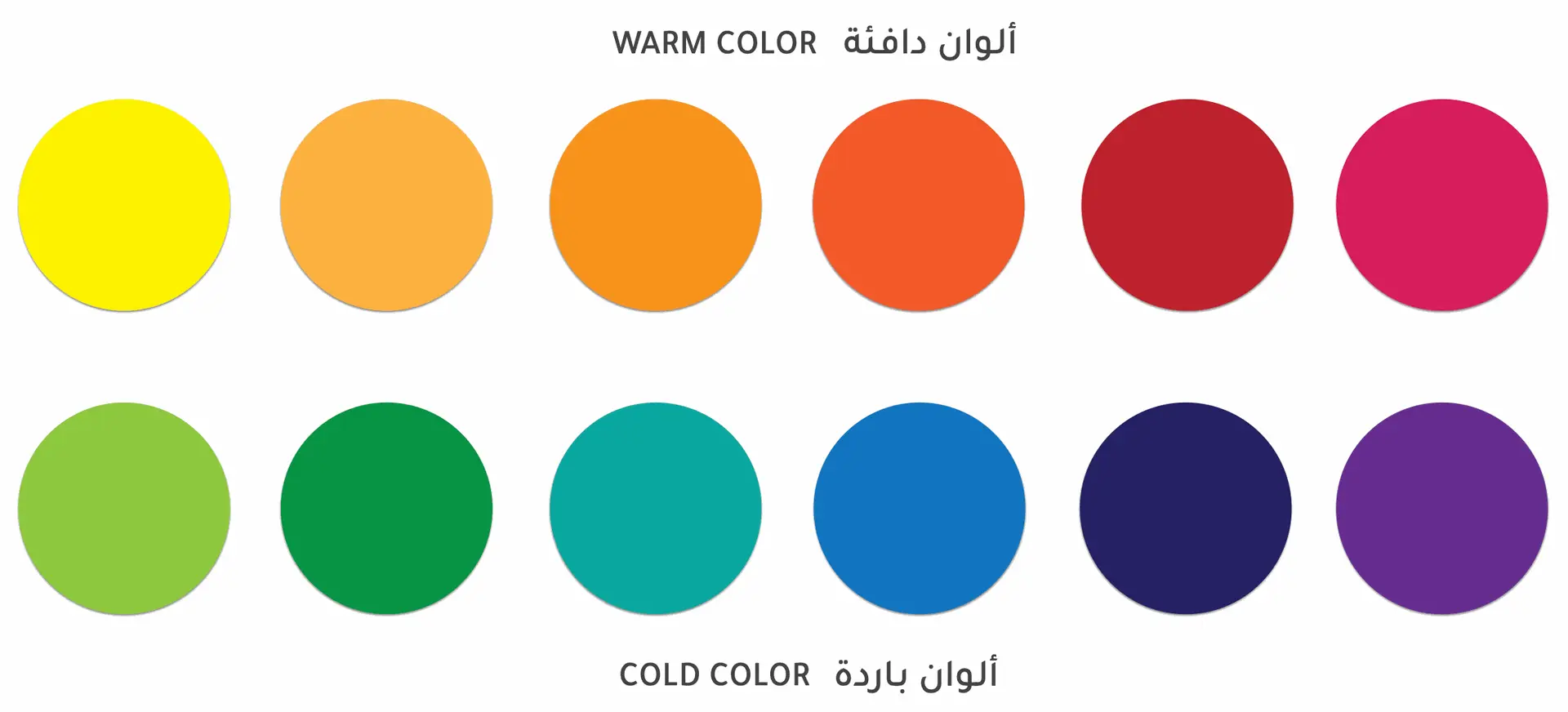
Warm colors: These are colors that give off warmth, such as red, orange, and yellow.
Cool colors: These are colors that give off a feeling of coolness, such as blue, green, and purple.