
The process of video and film editing is a complex and important task that requires skill and creativity to transform the recorded footage into a complete and engaging work of art.
Pre-Production Stage:
Planning and Preparation: At this stage, a detailed action plan for the editing is developed, which includes defining the objectives, the target audience, the type of video or film, the budget, and the timeline.
Scenario Analysis: The editor carefully reads the script to understand the story, characters, and events, identifying the scenes that need to be focused on and how to connect them to each other.
Shot selection: The best recorded shots that fit the vision of the director and the editor are chosen, and the appropriate order for them is determined.
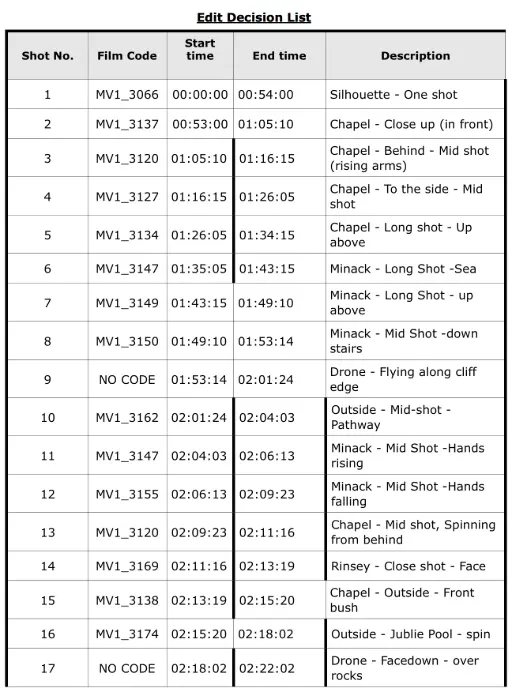
Preparing materials: All necessary materials for editing are collected, such as recorded footage, music, sound effects, images, and texts, and ensuring they are ready for use.
Production Stage:
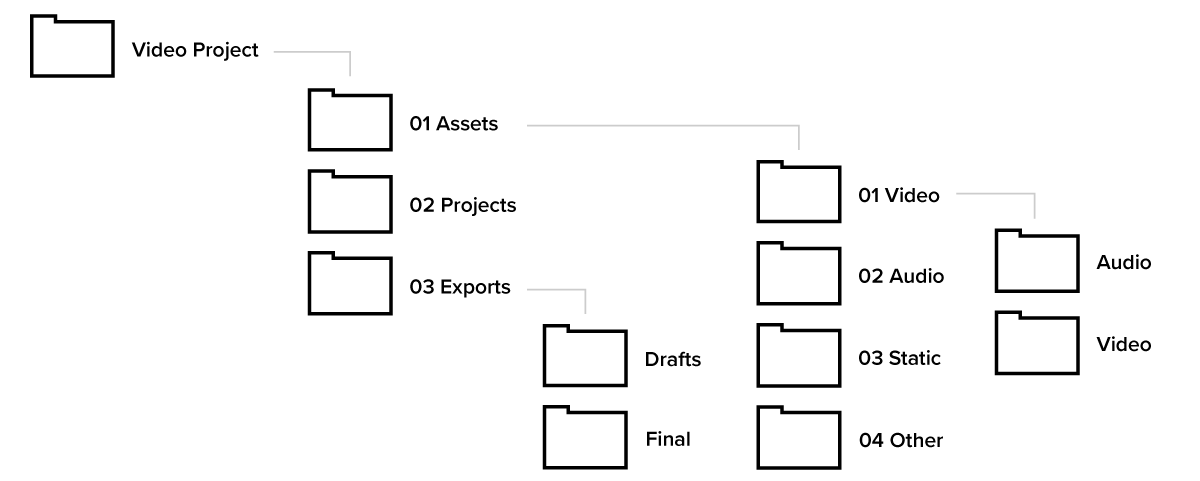
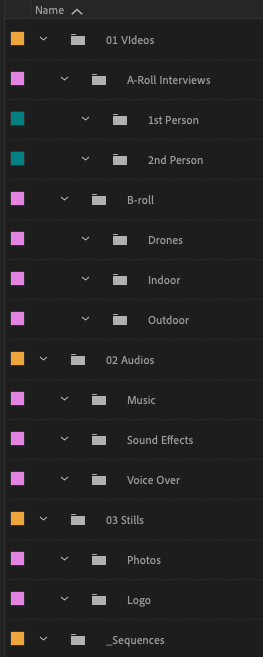
File Organization: Files and folders are well organized to facilitate the editing process and quickly access the required materials. The recorded and filmed materials can be organized in a way that serves the work, for example (the type of shots, the sizes of the shots, the geographical locations of the shots or classifying them as indoor or outdoor filming, the number of individuals in the shot whether it is one person, two, or a group of people, as well as evaluating the quality of the shots in terms of being very beautiful, good, rejected, or needing processing).
Importing materials: All materials are imported into the editing software used, and it is ensured that they work correctly.
Shot assembly: The recorded shots are compiled and arranged according to the script, and unnecessary shots or those that do not fit the artistic vision are removed.
Rough cut: A rough cut of the film or video is created, where the shots are primarily arranged, and some simple effects are added, focusing on the development and connection of the themes, rather than on how to visually transition from one clip to another.
Post-Production Stage:
Artistic editing: At this stage, the focus is on the artistic and creative aspects of editing, enhancing the visual flow, adding visual and sound effects, music, texts, and color correction, to create an enjoyable and impactful viewing experience.
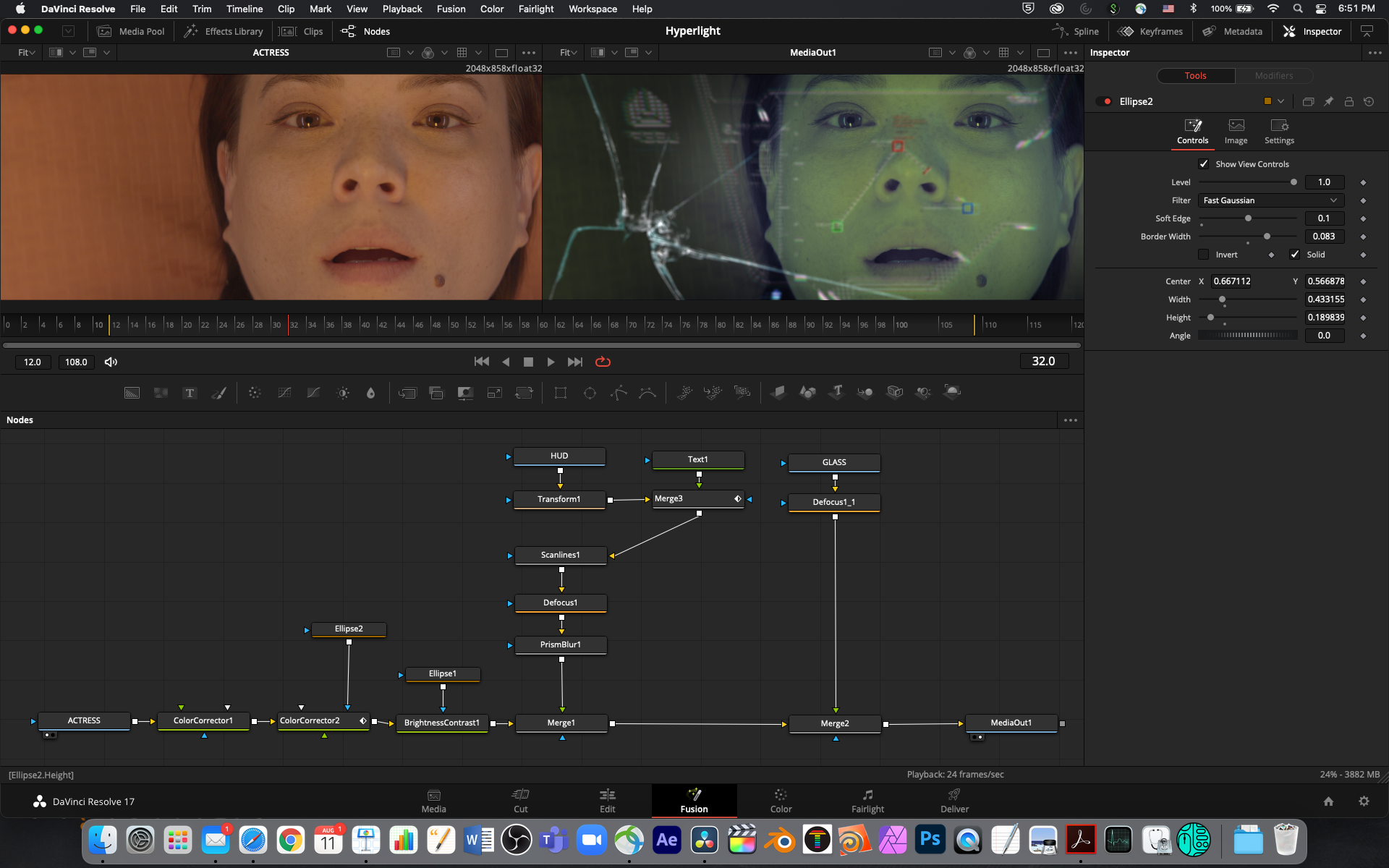
Visual effects: Special visual effects are added to enhance scenes and add a touch of fantasy and excitement.
Sound effects: Appropriate sound effects are added to create a suitable atmosphere for the scenes and enhance their emotional impact.
Music: The appropriate soundtrack is chosen to reflect the mood of the scene, adding depth and impact to it.
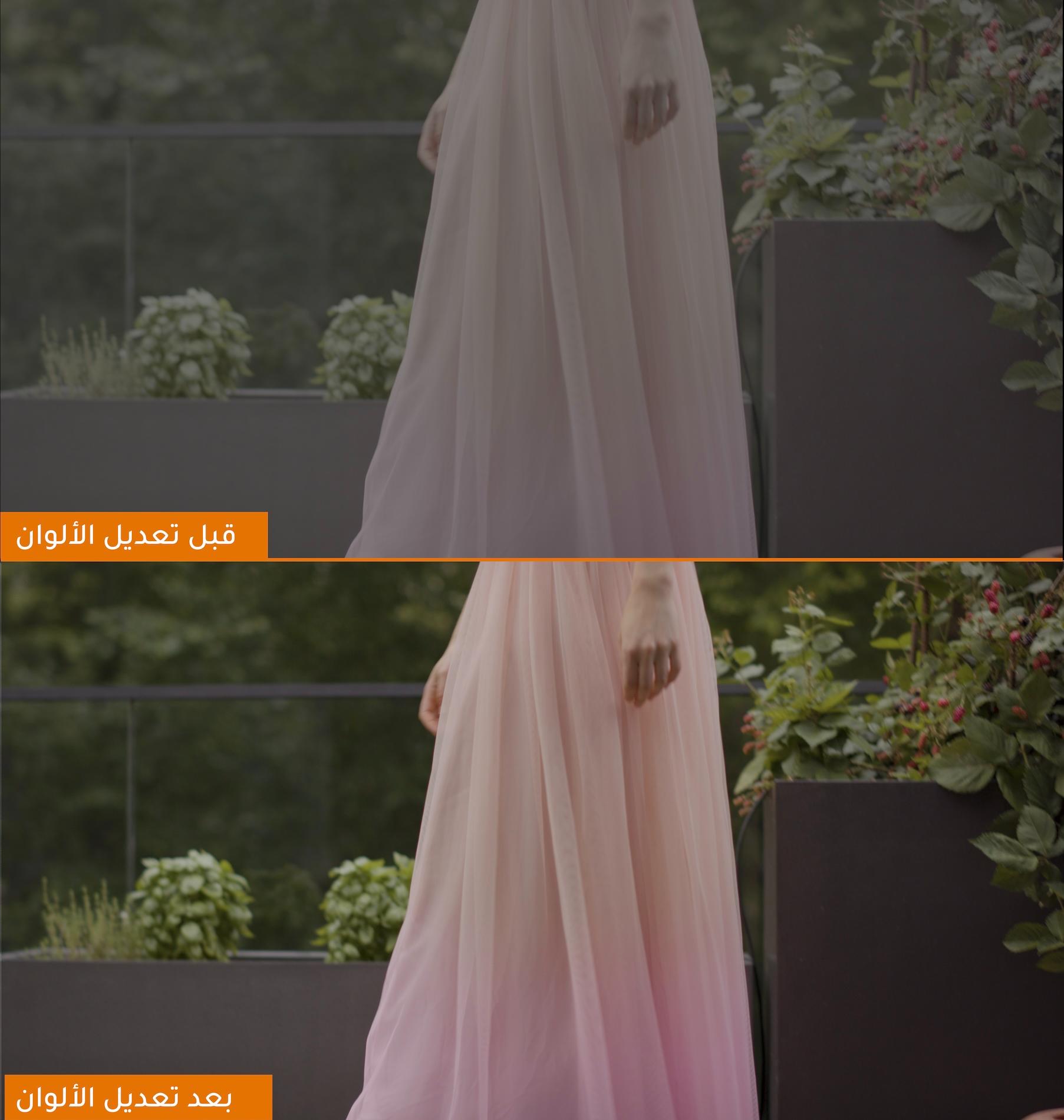
Color correction: The colors of the shots are adjusted to ensure consistency and aesthetics, creating distinctive visual effects.
Adding texts: Texts are added as needed, such as names of people, locations, quotes, or translations.
Review and Editing: The film or video is carefully reviewed to ensure it meets the intended goals, and any necessary adjustments are made.
Export: After completing the editing, the film or video is exported in the appropriate format for viewing or publishing.
The Importance of Video and Film Editing:
Improving Work Quality: Editing helps enhance the quality of the film or video, eliminate errors, and add artistic and aesthetic touches.
Realizing the Director's Vision: Editing helps to achieve the director's vision and effectively convey their message.
Audience Engagement: Editing helps attract the audience and maintain their attention by creating an enjoyable and exciting viewing experience.
Adding artistic value: Editing adds artistic value to the film or video, making it more impactful and creative.
Video and film editing tools:
There are many available editing programs, such as:
Media Composer: A professional program from Avid used in film production, television programs, and news reports.
Final Cut Pro: A professional program from Apple used in film and television production.
Adobe Premiere Pro: A professional program from Adobe used in film production, television programs, and advertisements.
DaVinci Resolve: A professional program from Blackmagic Design used in film production, television programs, and color grading.
iMovie: A simple and easy-to-use editing program from Apple suitable for beginners.
Filmora: An easy-to-use editing program from Wondershare suitable for beginners and intermediate users.