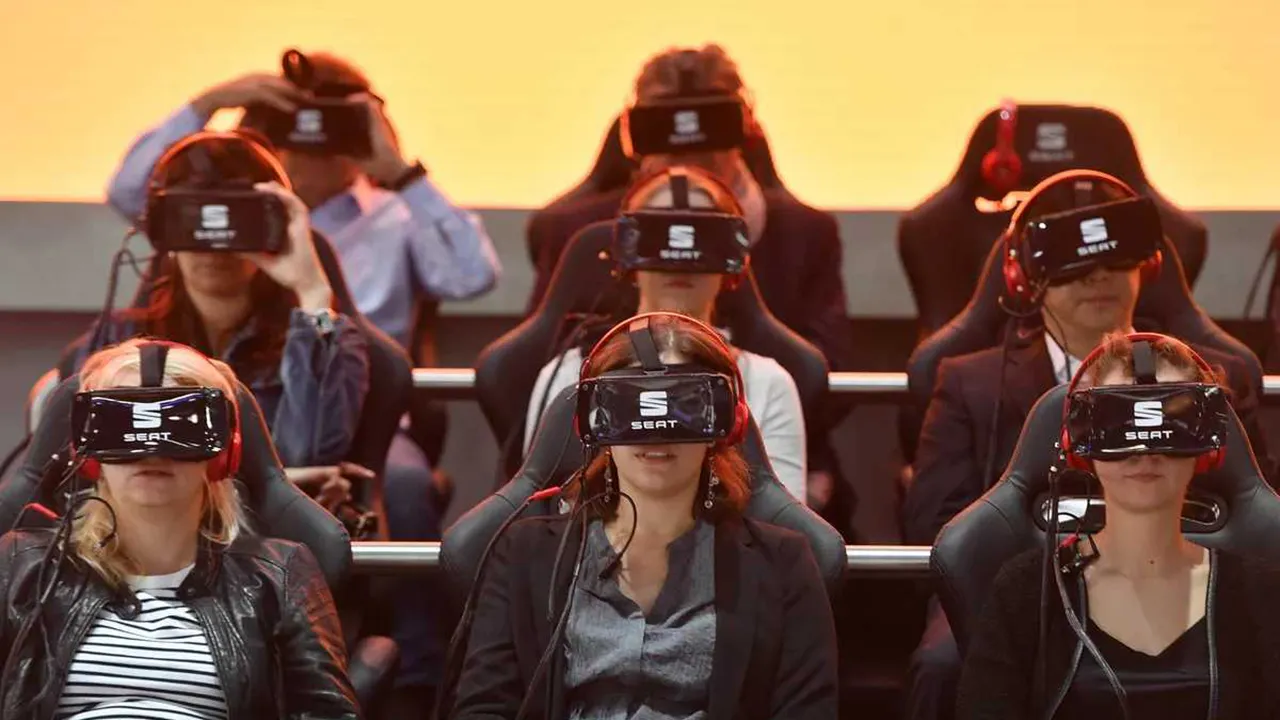
Definition of video editing art: It is the art of selecting scenes and their duration on the screen, and the science of arranging the shots that were filmed earlier along with the pre-recorded audio clips, removing unnecessary scenes and excesses, and adding special effects, to create a coherent and impactful story that transforms into a specific meaningful message.
The origin of the word "montage": The word "montage" is derived from the French word "Montage," which corresponds to "Edit" in English.
What is the role of editing:
Arranging the scenes according to the established plan.
Removing the excess parts from the scenes.
Correction of photography errors (if possible).
Adding external elements to the film (still images, texts, sounds, etc.).
Add different effects such as transitions between shots and various filters to change the appearance of the shot (black and white, for example).
This field has evolved significantly throughout history, from its humble beginnings to the advanced digital technologies we see today.
The Early Beginnings: Silent Films
The roots of video editing can be traced back to the early days of the film industry in the late 19th century. During that time, films were silent, and editing played a crucial role in storytelling and expressing emotions.
The first narrative films: In 1895, the Lumière brothers presented the first short narrative film titled "Workers Leaving the Lumière Factory," which featured consecutive shots showing workers leaving a factory.
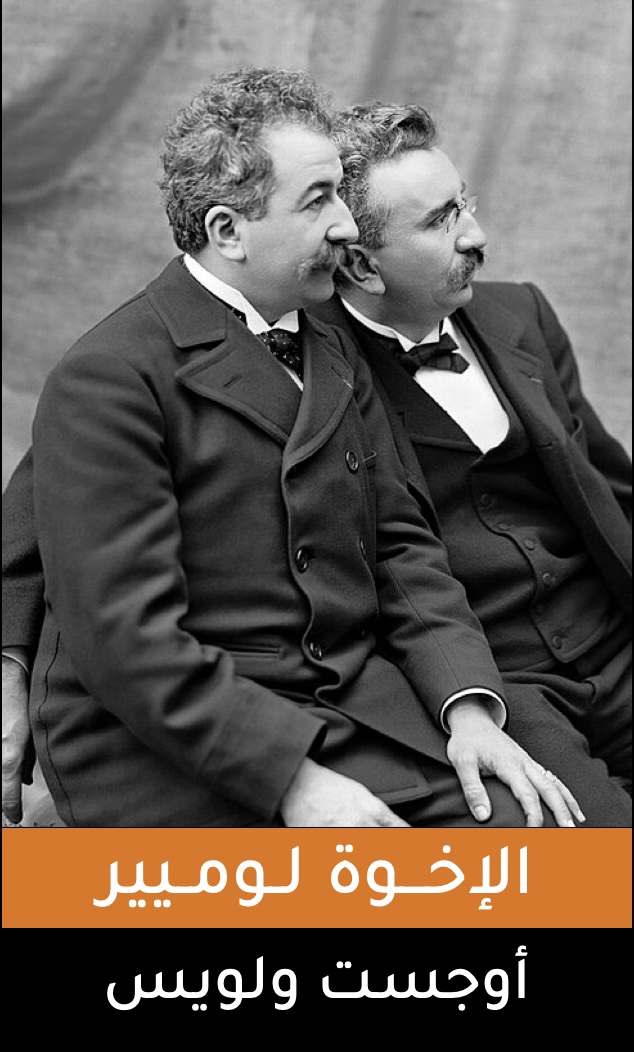
Evolution of Editing Techniques: Directors began to develop editing techniques to create different effects, such as using close-up shots to show facial expressions and wide shots to create a sense of place.
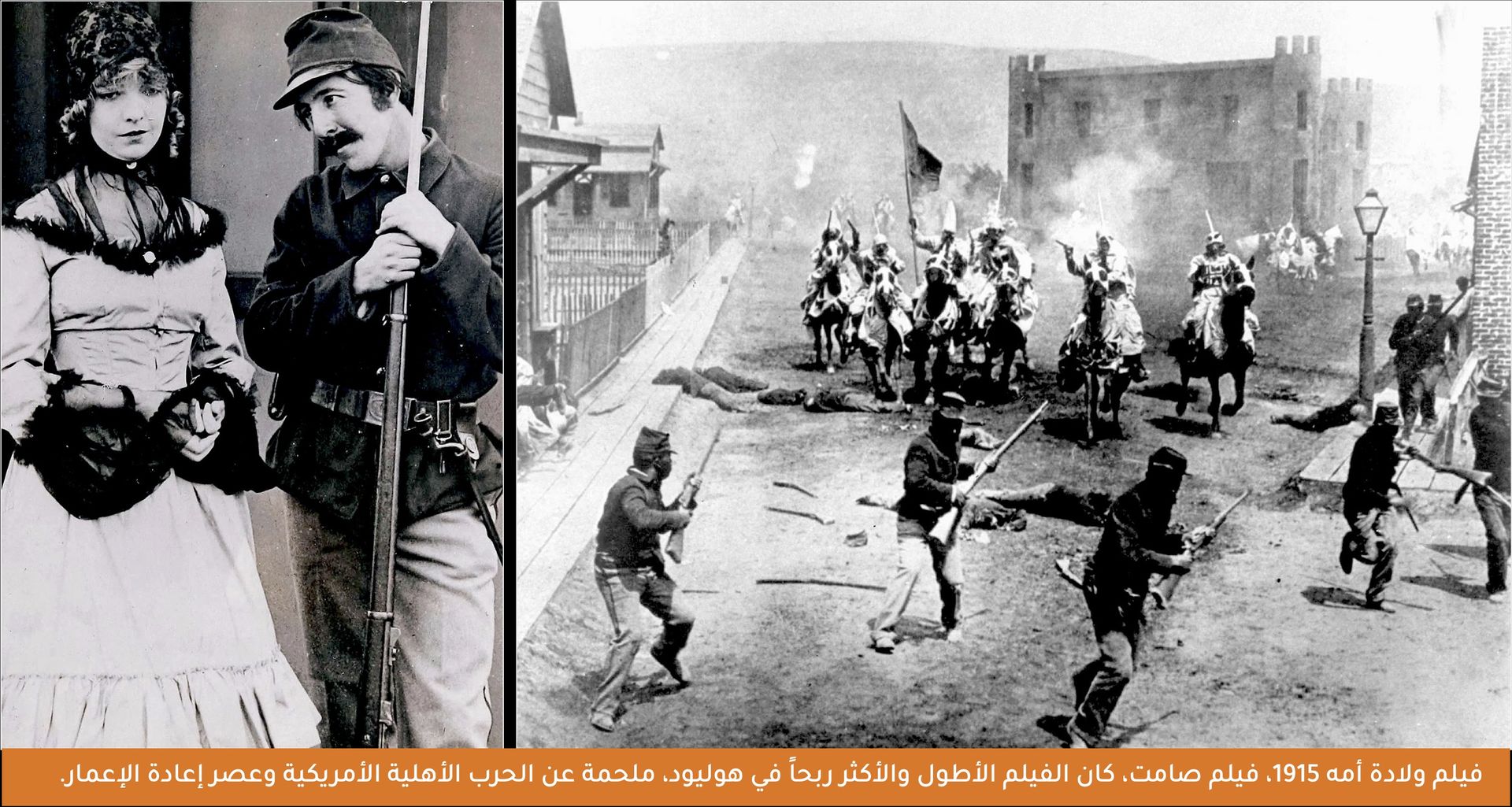
Pioneers of Editing: Among the pioneers of editing during that period, we mention D.W. Griffith, who used advanced editing techniques in his films, such as the film "The Birth of a Nation" in 1915.
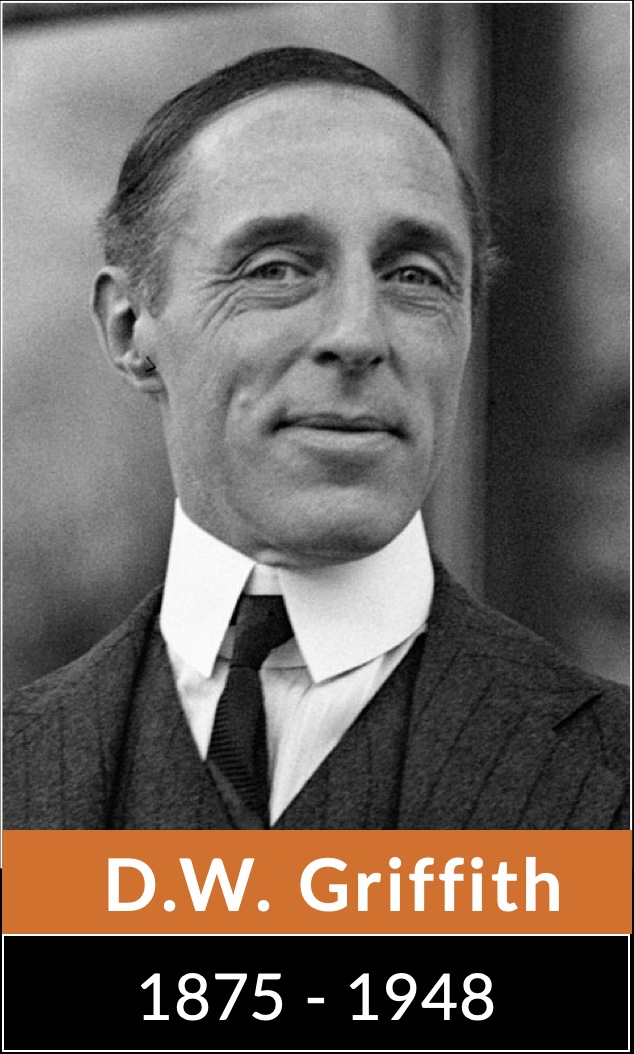
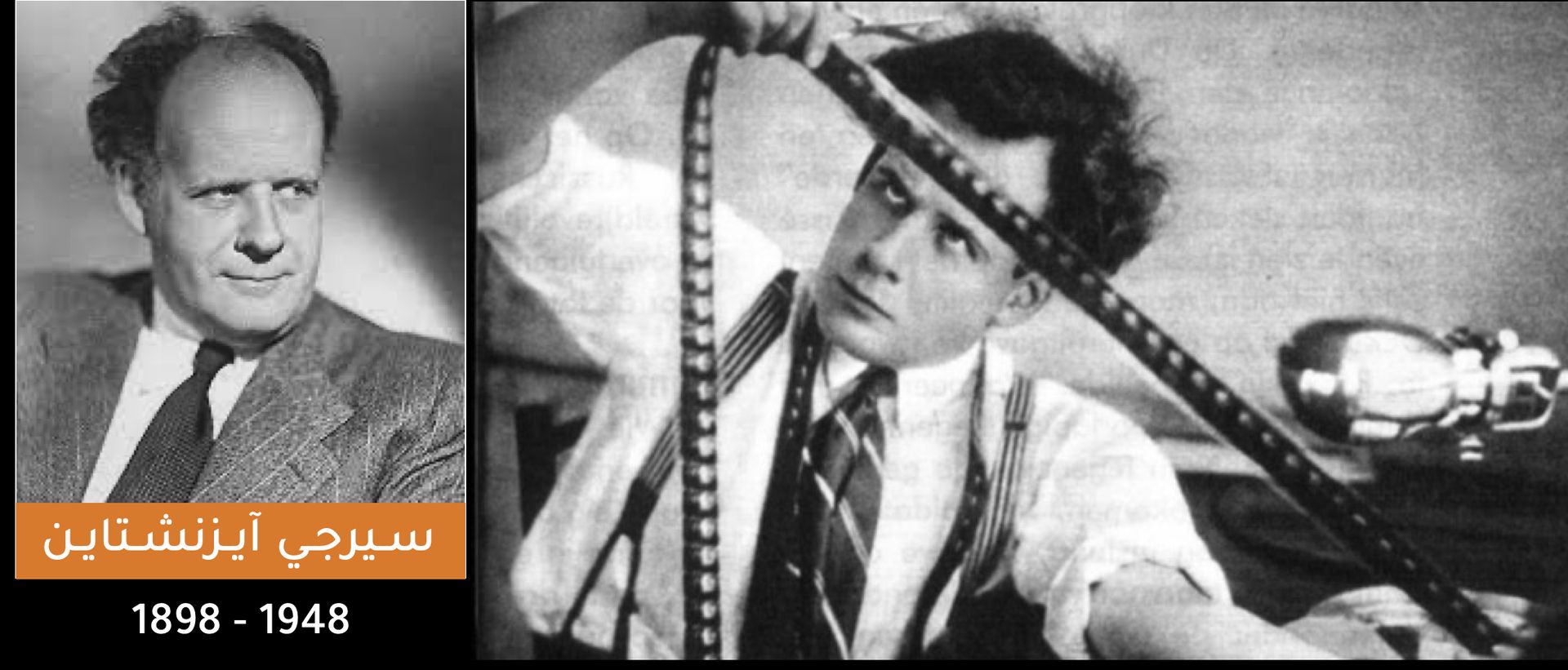
The development of editing was in the hands of Russian directors "Eisenstein" and "Pudovkin" in the 1920s, and they derived the rules of editing from Griffith's films (The Birth of a Nation 1915 and Intolerance 1916).
Russian filmmaker Sergei Eisenstein is considered the father of montage.
Age of Sound: New Developments
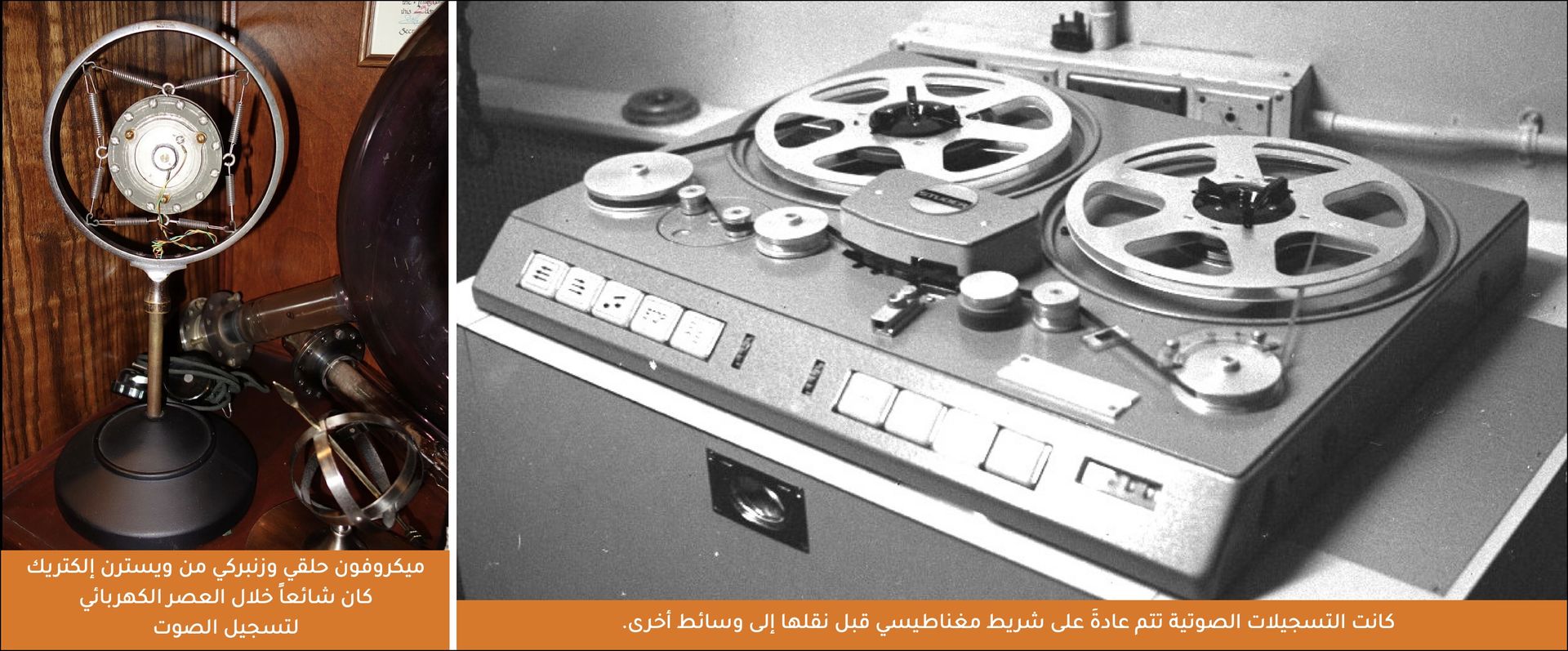
With the emergence of sound films in the early twentieth century, editing entered a new phase. Editors had to deal with sound in addition to image, and find ways to effectively integrate dialogue, music, and sound effects into the film.
Synchronization between sound and image: The biggest challenge was achieving synchronization between sound and image, and ensuring that the dialogue and music matched the events displayed on the screen.
The impact of sound on editing: The effect of the emergence of sound on editing techniques, and editors became more focused on the rhythm of the film and the flow of events.
The Golden Age of Hollywood: Perfection and Professionalism
Hollywood experienced significant development in the film industry during the 1930s and 1940s, and editing became an essential part of this industry.
The classical style: Hollywood films during that period were characterized by a classical editing style that relied on smoothness and clarity, aiming to conceal the presence of the editor and allow the story to flow naturally.
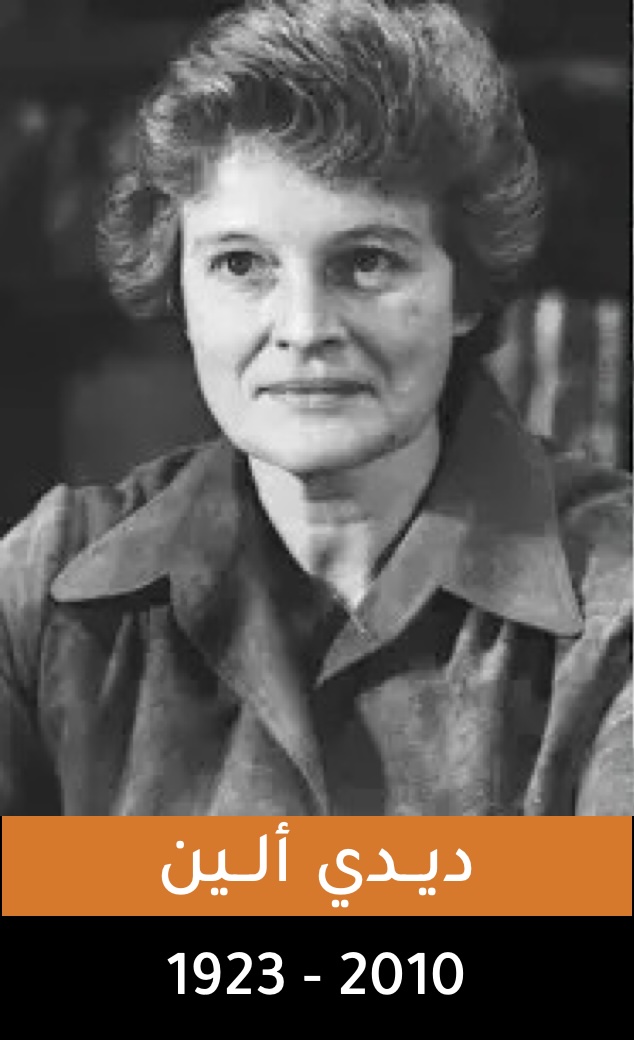
Famous editors: Among the most famous editors of that period, we mention Dede Allen, who worked with director Alfred Hitchcock on many of his famous films.
The New Wave and Independent Cinema: Renewal and Diversity
In the 1950s and 1960s, new cinematic movements emerged, such as the French New Wave and American independent cinema, which challenged traditional filmmaking methods and introduced new and innovative editing techniques.
Bold Experiments: Directors experimented with new editing techniques, such as using time jumps, manipulating the chronological order of events, and combining different shots in unconventional ways.
Self-expression: Directors used editing to express their artistic vision and ideas more freely.
The Digital Age: A Revolution in the Editing Industry
With the emergence of digital technology in the late twentieth century, video editing experienced a major revolution.
Digital editing software: Powerful digital editing programs have emerged, such as Final Cut Pro and Adobe Premiere Pro, which have enabled editors to work faster and more efficiently.
Advanced Visual Effects: Digital technology has allowed editors to add advanced visual effects to films, enhancing their creative possibilities.
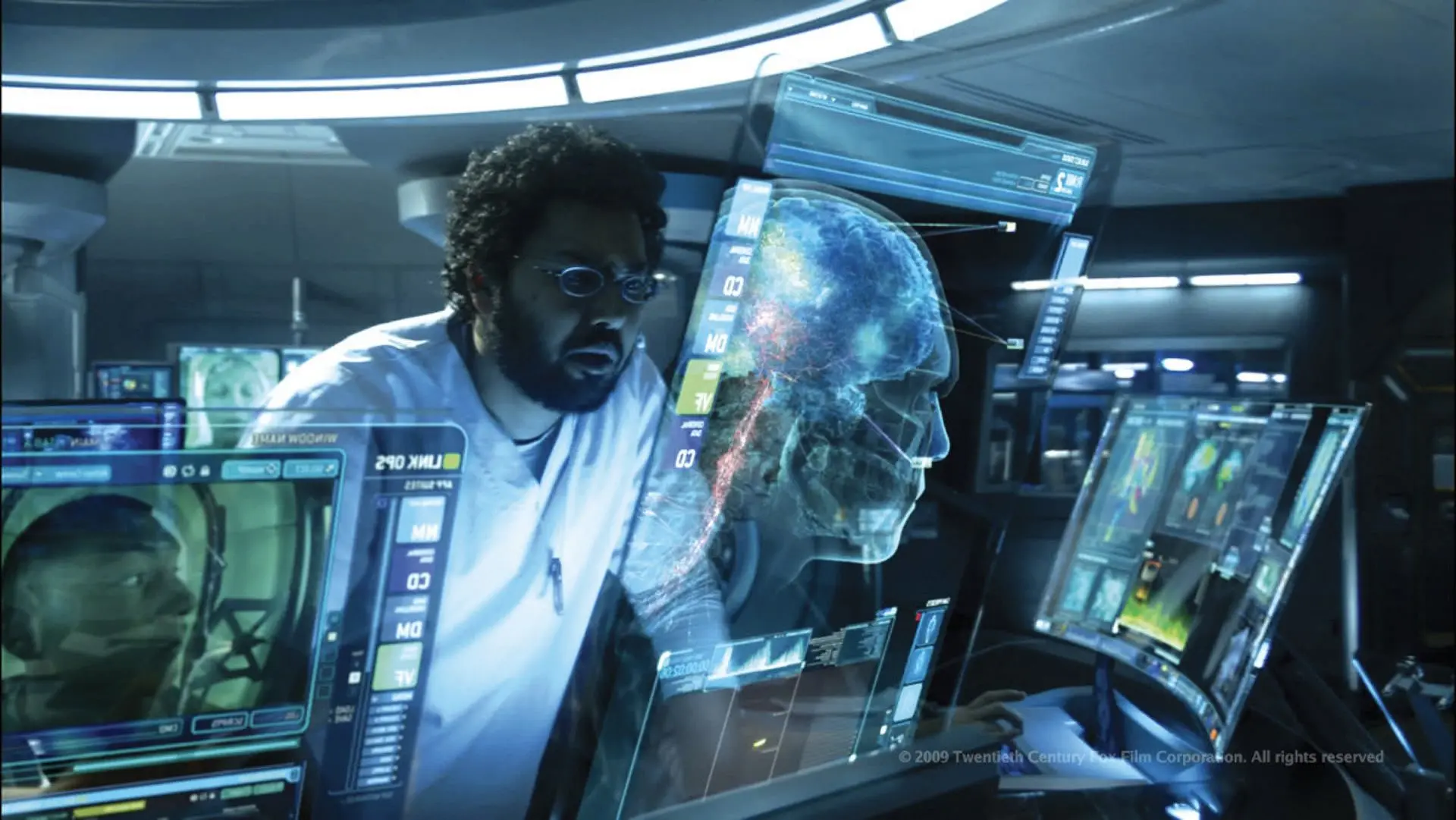
Independent production: Digital technology has made it easier for independent filmmakers to produce their own films, leading to the emergence of a new generation of talented editors.
Video editing today: Creativity knows no bounds
Video editing today is witnessing continuous development, with the emergence of new technologies, such as artificial intelligence and virtual reality, which open new horizons for creativity.
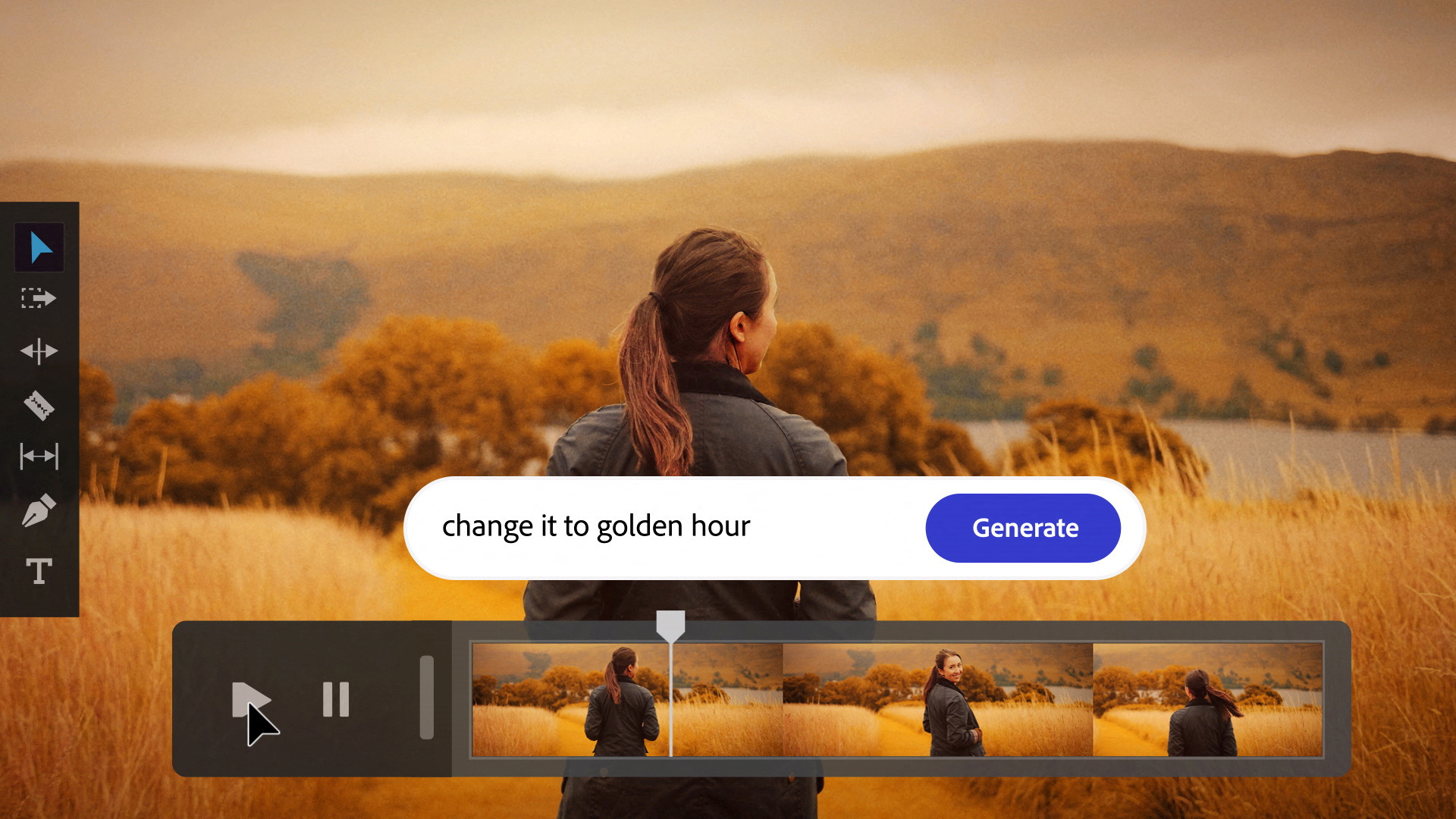
Artificial Intelligence in Editing: AI can be used to automate some editing tasks, such as identifying the best shots and arranging them automatically.
Virtual reality: Virtual reality can be used to create immersive cinematic experiences that require new and innovative editing techniques.